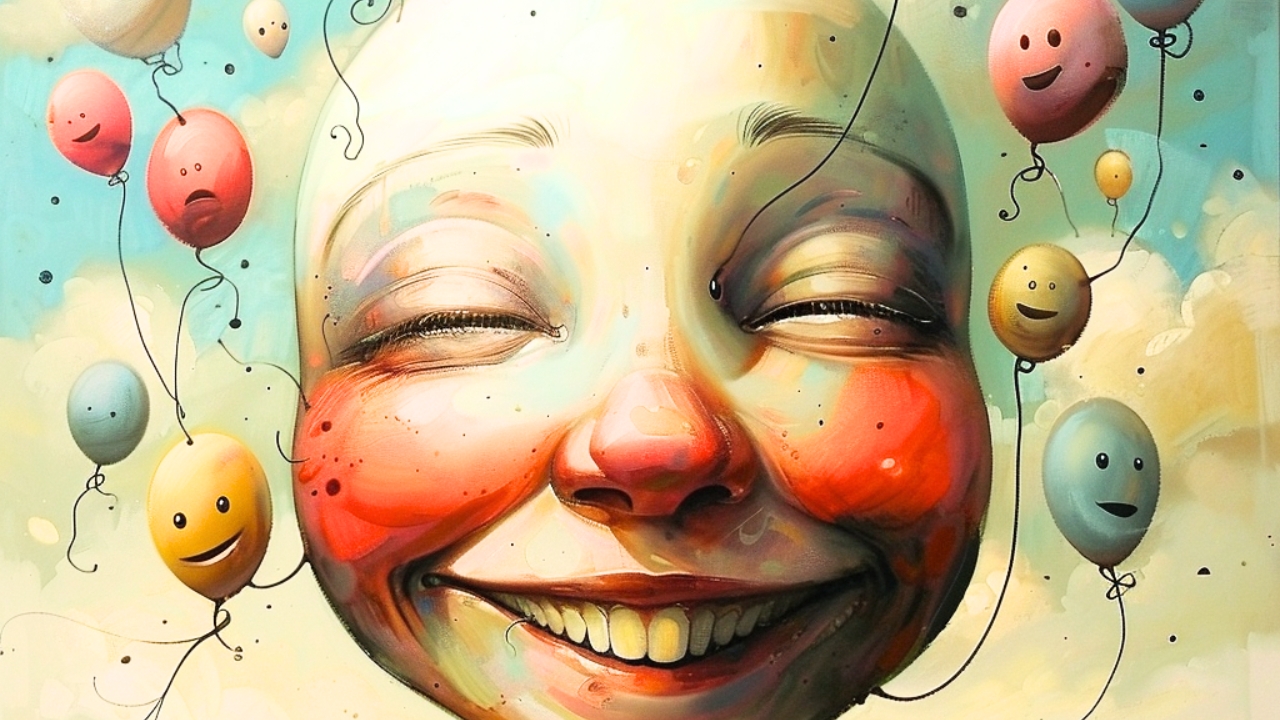
What is Happiness? Timeless Wisdom from Great Thinkers
The quest for happiness is as old as humanity itself. Across cultures and centuries, philosophers, spiritual leaders, and influential figures have pondered this elusive state, offering profound insights into its nature, its attainment, and its true meaning. Is it a fleeting emotion, a lifelong journey, or something we cultivate from within? As we delve into a collection of profound
happiness quotes, we uncover a tapestry of wisdom that challenges our preconceptions and illuminates pathways to a more joyful existence.
The common pursuit often feels like chasing a mirage – an external goal just out of reach. Yet, many great minds suggest that happiness isn't just "found" but built, chosen, or realized through a shift in perspective. Perhaps the true secret lies not in the destination, but in embracing the continuous process of living and growing.
The Universal Quest: Unpacking What Happiness Truly Means
For many, happiness is synonymous with pleasure, fleeting moments of joy, or the absence of sorrow. However, history's most profound thinkers offer a far richer and more complex definition. Abraham Maslow succinctly questioned, "What does ‘happy’ mean? Happiness is not a state like Vermont." This humorous yet insightful remark suggests that happiness is not a fixed, easily definable place or condition, but rather a dynamic experience.
George Sheehan echoes this sentiment, drawing a clear distinction: "Happiness is different from pleasure. Happiness has something to do with struggling, enduring, and accomplishing." This perspective reframes happiness, suggesting it often arises from overcoming challenges, persisting through difficulties, and achieving meaningful goals. It implies that true contentment isn't merely the absence of struggle, but the satisfaction derived from engaging with life's complexities.
Benjamin Franklin, ever the pragmatist, reminded us that "The Constitution only guarantees you the right to pursue happiness. You have to catch it yourself." This powerful quote shifts the responsibility squarely onto the individual. While society might provide the conditions for pursuit, the actual realization of happiness is a personal endeavor, requiring active participation and effort. It’s a call to agency, encouraging us to be proactive architects of our own well-being.
Cultivating Inner Peace: Wisdom from Ancient Philosophers
Many ancient philosophies emphasize that true happiness stems from an inner state, cultivated through virtue, self-awareness, and mental discipline. The idea that happiness is an internal power, not an external circumstance, resonates across millennia.
Aristotle, the great Greek philosopher, declared, "Happiness is the meaning and purpose of life, the whole aim and end of human existence," and further stated, "To live happily is an inward power of the soul." For Aristotle, happiness (
eudaimonia) wasn't just a feeling, but a state of flourishing achieved by living a virtuous life in accordance with reason. It was the ultimate good, pursued for its own sake.
Echoing this focus on the inner world, Buddha taught, "If one speaks or acts with a pure mind, happiness follows like a shadow." This highlights the profound connection between our mental state, our actions, and the happiness we experience. Purity of mind – often interpreted as freedom from greed, hatred, and delusion – becomes the foundation for lasting contentment.
Confucius offered a pathway to deeper satisfaction beyond mere knowledge: "Knowing something is not as good as liking it. Liking something is not as good as rejoicing in it." This progression suggests that true happiness comes from a profound and joyful engagement with life, moving beyond superficial understanding to deep appreciation and celebration. Similarly, Mencius, a follower of Confucius, advised, "The myriad things are complete in us. There is no greater joy than to reflect on ourselves and become sincere." This highlights the importance of introspection and authenticity in finding joy.
Even the ancient Taoist philosopher Zhuangzi, with his concept of "
wu-wei," spoke to an inner peace: "The ultimate happiness is _wu-wei_ (doing nothing contrived)." This isn't about literal inactivity but about acting in harmony with the natural flow of things, without forcing or striving against one's true nature. It's about finding contentment in spontaneous, effortless being.
Mohandas Gandhi, a modern proponent of inner harmony, defined happiness as "when what you think, what you say, and what you do are in harmony." This holistic view underscores the importance of integrity and coherence in one's life. When our internal thoughts align with our words and actions, we experience a profound sense of peace and authenticity that fuels happiness.
Practical Tip: To cultivate inner peace, try daily mindfulness meditation or journaling. Reflect on your thoughts and actions to identify areas where your words, thoughts, and deeds might be out of sync, and take steps to realign them.
Action, Choice, and Connection: Building a Life of Joy
While inner states are crucial, many thinkers also emphasize the active role we play in generating our own happiness, through our choices, actions, and connections with others. Happiness isn't merely a passive state to be received; it's often a consequence of deliberate engagement with the world.
William James, the pioneering psychologist, put it plainly: "Action may not bring happiness but there is no happiness without action." This suggests that while simply *doing* something might not guarantee joy, genuine happiness often requires us to engage, to strive, and to participate in life rather than remaining static. It's in the process of living, learning, and contributing that we find fulfillment.
The power of personal choice is a recurring theme. Groucho Marx famously declared, "Each morning when I open my eyes I say to myself: I, not events, have the power to make me happy or unhappy today. I can choose which it shall be. Yesterday is dead, tomorrow hasn’t arrived yet. I have just one day, today, and I’m going to be happy in it." This powerful affirmation reminds us of our inherent capacity to choose our attitude, regardless of external circumstances. Abraham Lincoln echoed this, stating, "Most people are about as happy as they make up their minds to be." These
pursuit of happiness quotes on life's ultimate goal highlight the profound impact of our mindset.
The use of one's talents and contributions to others also emerges as a significant source of joy. Johann Wolfgang von Goethe observed, "The person born with a talent they are meant to use will find their greatest happiness in using it." This speaks to the deep satisfaction derived from purpose and creative expression. Furthermore, the Chinese Proverb offers a hierarchy of happiness: "If you want happiness for an hour, take a nap. If you want happiness for a day, go fishing. If you want happiness for a year, inherit a fortune. If you want happiness for a lifetime, help someone else." This proverb, alongside Bertrand Russell's poignant wish for a world where people "desired their own happiness more than they desired the unhappiness of others," and the Dalai Lama's assertion that "The purpose of our lives is to be happy," underscores the profound connection between altruism and lasting joy.
Holly Ketchel's simple yet powerful quote, "My happiness derives from knowing the people I love are happy," further illustrates the interwoven nature of individual and collective well-being. Our joy is often amplified and sustained by the happiness of those around us.
Actionable Advice: Identify a talent you possess and seek opportunities to use it regularly. Consider volunteering or performing acts of kindness to experience the profound joy that comes from helping others.
Beyond the Pursuit: Practical Wisdom for Everyday Happiness
Many thinkers also emphasize that happiness isn't a grand, monumental achievement but often resides in simplicity, presence, and consistent effort.
Albert Einstein, known for his complex theories, found happiness in remarkably simple terms: "A table, a chair, a bowl of fruit and a violin; what else does a man need to be happy?" This highlights the power of minimalism and appreciating the basic comforts of life. It’s a reminder that true contentment often lies not in accumulating more, but in being grateful for what we already possess. Albert Schweitzer offered a similar practical perspective, suggesting, "Happiness is nothing more than good health and a bad memory." While humorous, it points to the value of physical well-being and the ability to let go of past grievances.
Oscar Wilde cleverly noted, "Some people cause happiness wherever they go, others whenever they go." This highlights the impact of one's presence and attitude on the emotional climate of those around them. We can choose to be a source of upliftment.
Finally, the idea that happiness is a continuous process, not a final destination, is crucial. Elbert Hubbard wisely stated, "Happiness is a habit – cultivate it," while Roy Goodman added, "Remember that happiness is a way of travel, not a destination." These
finding your joy: ancient philosophers to modern minds on happiness quotes encourage us to view happiness as an ongoing practice, something we actively nurture day by day, rather than waiting for it to arrive. Herman Cain even reversed the common wisdom, asserting, "Success is not the key to happiness, happiness is the key to success." This suggests that a positive, joyful mindset can be a powerful catalyst for achieving our goals.
Key Takeaway: Embrace simplicity, let go of past burdens, and consciously cultivate positive habits. View happiness as an ongoing journey, appreciating each step along the way.
Conclusion
From ancient sages to modern luminaries, the tapestry of
happiness quotes reveals a multifaceted understanding of this ultimate human desire. It's not a singular state but a dynamic interplay of inner harmony, conscious choice, purposeful action, and meaningful connection. While its pursuit is universal, its capture is deeply personal. It's within our power to cultivate a pure mind, choose our attitude, engage in meaningful work, simplify our lives, and extend kindness to others. Ultimately, the wisdom of these great thinkers converges on a powerful truth: happiness is less about what happens *to* us and more about what happens *within* us, and what we choose to do *with* our lives. It's a journey, a habit, and an inward power waiting to be embraced.